
Small nugget. Big reason to look closer. | Mine Letter

MINE LETTER / OCTOBER 26, 2026
It weighs less than a gram. Give it a minute, and you may find yourself planning a whole collection around it.
First comes the flash of gold. Then your eye catches a hollow in the center, a rounded edge, a surface that rewards another look. You check the locality: Atlin, British Columbia. Suddenly, there's a place to learn about and another goldfield to explore.
That's the pleasure of collecting natural gold. One small piece can open up a much larger interest.
At Nuggets by Grant, we like giving those details their due. This edition of the Mine Letter follows that curiosity from the families working the northern goldfields to a 0.893-gram Atlin nugget, with a look at the week's gold price along the way.
Follow the gold back to the goldfields
A locality is often the first thread worth following. Learning about a district adds context to the pieces you collect, and the Yukon's mining families offer a good place to begin.
Len and Rona Millar arrived in Whitehorse in 1954. Len returned to Dawson in 1974 to pursue gold mining, and David and Dirk later continued the operation. The family's Goldbottom history connects those familiar northern place names with decades of work by people who made their lives there.
That family involvement reaches across the industry. The Klondike Placer Miners' Association describes 90% of active Yukon placer operations as family-run. For a collector, these histories offer another way into the goldfields: through the people, working methods and knowledge behind the recovery of natural gold.
Placer mining uses water and gravity to separate gold from sediment. Recovering the metal is part of a longer sequence of work. Alaska's Bureau of Land Management covers the process from claim location through final reclamation in its March 2026 placer mining guide. It's rewarding reading if a nugget has ever left you wondering how gold gets from the ground to a collector's tray.
Once you start exploring those places, a collection can become a map of your interests. Our next stop is south of the Yukon, in British Columbia.
An Atlin gold nugget worth a closer look
Our specimen #125 is a 0.893-gram natural gold nugget whose product description identifies Atlin, British Columbia. The listing uses our Alaskan BC title wording; Atlin is the locality to keep with this piece.
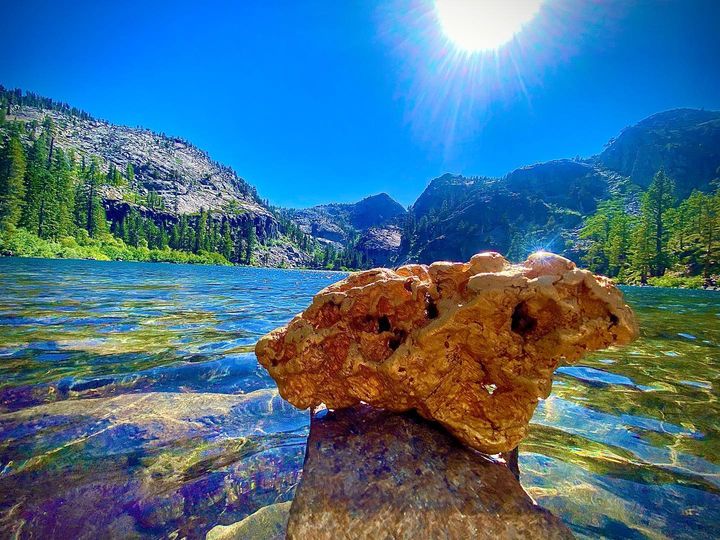
Start with the recessed center, then follow the rounded outer edges. In the close-up, there's plenty of surface to explore. The photograph beside a US quarter puts that detail into perspective: all of it belongs to a nugget weighing less than a gram.

For a collector building a regional group, a piece like this could introduce Atlin to the tray. For someone drawn to form, the appeal may begin with that central hollow. Either way, take time with the original photographs. Comparing the close-up with the scale image is a useful habit when choosing natural gold nuggets online.
This is where collecting gets personal. A stated weight and locality give you the essentials. Looking closely helps you decide which piece you would enjoy returning to.
And that close look brings us to another useful question: what details belong together when you compare specimens?
How to compare natural gold specimens
Start with weight, stated origin and clear photographs. Then consider form, condition and any documented details about crystal structure or attached quartz. These give you a fuller description of the piece and help explain its appeal within your collection.
Keep total weight and gold content distinct. As the US Geological Survey's research on native gold explains, natural gold can contain other metals. A specimen attached to quartz also includes the weight of the stone. An individual assay or other supported gold-content measurement is the basis for a metal-value calculation; a regional purity range is background information.
With those basics in hand, give your own interests room. Perhaps you enjoy compact, rounded nuggets. Perhaps you prefer the contrast of gold against quartz, or want to compare pieces from several regions. A clear sense of what you like makes browsing more useful and each addition more deliberate.
The gold market supplies another part of that picture. Here's the week's context to keep alongside your specimen research.
The week in gold: October 19-23, 2026
GoldPrice.com's daily series recorded $3,995.81 per troy ounce on October 23, compared with $4,165.42 on October 16. That is a weekly change of -$169.61, or -4.07%, in US dollars. Both endpoints use the same series: October 16 and October 23.
Reuters' October 23 market report linked pressure on gold to rising oil prices and expectations that interest rates could stay higher for longer.
Following spot gold gives buyers a useful reference for the metal market. When choosing a natural nugget, bring that reference together with the individual piece's form, documented origin, condition and collector demand. Retail specimen prices reflect those considerations as well as the gold itself.
We think that's one of the most satisfying parts of buying natural gold: you can follow a global market while developing an eye for something very particular. Once you find a piece that fits, there's one final detail worth taking care of.
Give every nugget a place in your collection
Keep the original listing, photographs and receipt with the item number, stated weight and purchase date. Record the locality exactly as supplied, along with any documented information about cleaning or repairs. For #125, that means preserving the Atlin, British Columbia description without adding a creek or mine that hasn't been documented.
Then add a sentence in your own words: what made you choose it?
That note might describe a shape, a connection to a place, or the beginning of a new collecting interest. Together with the factual record, it gives the piece a clear place in your collection.
Start with a nugget. Follow the details. You may discover that the next direction for your collection was sitting in the palm of your hand.
Sources and notes
Sources checked October 26, 2026. Prices use GoldPrice.com's daily closes; the source does not specify its closing time or timezone. Product availability can change. The featured Atlin specimen is not attributed to Goldbottom.
- GoldPrice.com, daily records dated October 16 and 23, 2026, and historical-price methodology, linked above.
- Reuters via Business Recorder, October 23, 2026, spot-market report, linked above.
- Goldbottom, family history, undated; Klondike Placer Miners' Association, industry overview, undated. Both checked October 26, 2026.
- Bureau of Land Management, Alaska Minerals Program, listing its March 2026 placer guidebook.
- US Geological Survey, Gold in minerals and the composition of native gold, 1969.
- Nuggets by Grant, specimen #125 product record and original photographs, checked October 26, 2026.